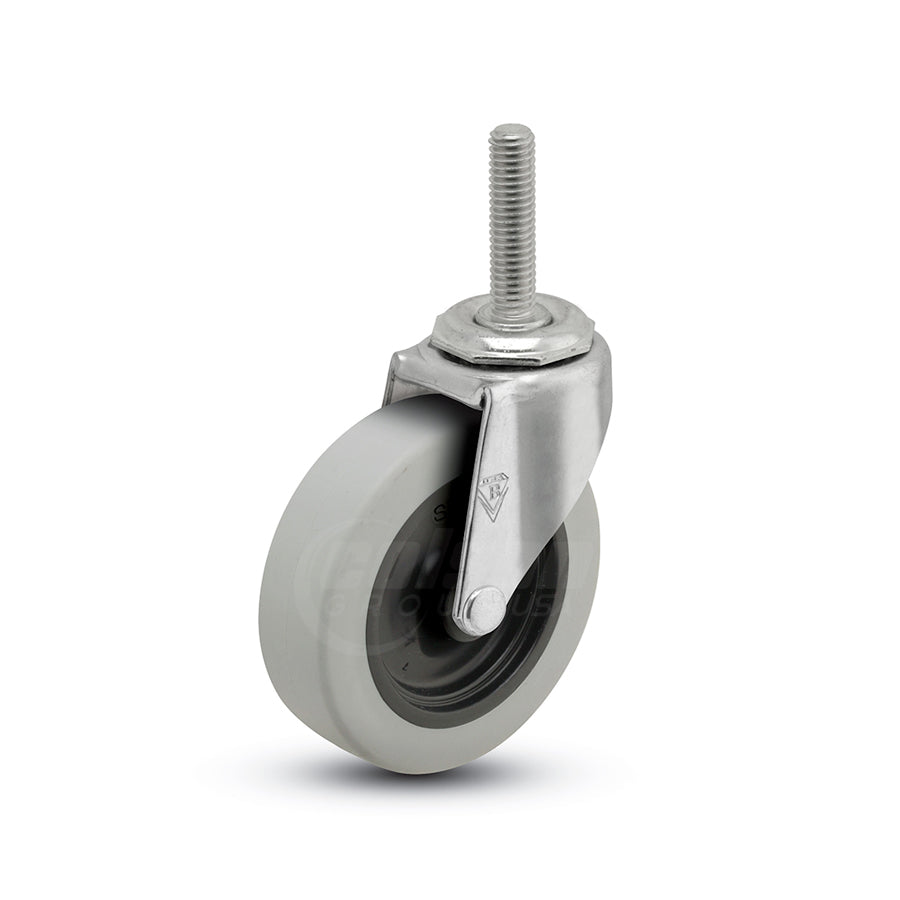
Food Service & Processing Casters

NSF-listed and stainless steel casters for commercial kitchens, food processing plants, bakeries, and cold storage. Corrosion-resistant materials rated for washdown environments and high-temperature applications.

Filter products

The highest price is $871.53
$
$

396 Products

Sanitation Compliance from Kitchen to Cold Storage

Food service and processing environments subject casters to a punishing combination of moisture, heat, caustic cleaning chemicals, and regulatory scrutiny. Commercial kitchen floors are constantly wet. Food processing plants run high-pressure washdown cycles daily. Bakery operations cycle equipment through 400-500 degree ovens. Cold storage facilities operate below freezing. Standard casters corrode, seize, and fail rapidly under these conditions—creating contamination risks, failed health inspections, and costly equipment downtime. Food-grade casters are built from the materials and designs that these specific environments demand.

Frequently Asked Questions About Food Service & Processing Casters

NSF certification (particularly NSF/ANSI 2) means the caster has been independently tested and verified to meet cleanability, material safety, and design standards for food equipment. USDA acceptance means the caster design and materials have been reviewed and accepted for use in USDA-inspected meat, poultry, and egg processing facilities. Many food facilities require both. Your food safety plan and any third-party audit standards such as SQF or FSSC 22000 may dictate which certifications are mandatory.

Yes—food-grade casters are designed with sealed bearings that prevent water intrusion during high-pressure washdown. Stainless steel frames resist the corrosion that destroys zinc-plated and painted casters in wet environments. Confirm that the caster's seal rating matches your washdown pressure, especially if your facility uses hot water above 140 degrees Fahrenheit or high-caustic cleaning solutions.

Stainless steel is strongly recommended for any caster in a commercial kitchen that will be exposed to regular moisture, cleaning chemicals, or health department inspection. Zinc-plated and painted steel frames corrode rapidly in wet kitchen environments, creating rust contamination and structural failure. Stainless steel 304 is the standard for most commercial kitchens. Facilities with heavy chemical exposure or salt-rich environments should consider 316 stainless steel.

Cold storage casters need materials that maintain flexibility and rolling performance at sub-freezing temperatures. Standard rubber and polyurethane compounds can become brittle and crack in freezer environments. Look for casters with cold-rated wheel compounds, stainless steel frames to resist condensation-driven corrosion, and bearings packed with low-temperature grease. Nylon and polyolefin wheels maintain performance in cold storage better than most elastomers.

Food Service & Processing Casters: NSF, USDA, and FDA Compliant Options

Food service casters are constructed from stainless steel 304 and 316 frames, sealed bearings, and FDA-compliant wheel materials that withstand daily exposure to water, steam, caustic cleaners, and acidic food products. NSF-certified designs feature smooth, crevice-free construction that eliminates bacteria harborage points and passes sanitation inspections. High-temperature rated options handle bakery oven racks and proofer carts without wheel deformation or bearing failure. Cold storage casters maintain rolling performance at temperatures well below freezing.

Caster Central carries food-grade casters for prep tables, ingredient bins, tray racks, oven racks, blast chillers, walk-in cooler carts, and commercial kitchen equipment. Our food service inventory includes NSF-certified, USDA-accepted, and FDA-compliant models in stainless steel and corrosion-resistant configurations. Browse our food service and processing caster selection below or contact our team for help matching casters to your facility's sanitation and regulatory requirements.

Get the Latest Insights in the Material Handling Industry

  • Worker measuring the diameter and height of an industrial caster wheel using a caliper in a warehouse.

    How to Measure Caster Wheels for Replacement — A Complete Guide

    Ordering the wrong replacement caster wastes time, money, and keeps your equipment idle. This guide covers every measurement you need: wheel diameter, width, bore size, hub length, overall height, mounting...

    READ MORE
  • How to Choose the Right Caster Wheels for Every Flooring Type

    How to Choose the Right Caster Wheels for Every Flooring Type

    Choosing the right caster wheels for your floor type protects your surfaces and ensures long term durability. This guide covers wheel material, load capacity, and configuration to help you select...

    READ MORE
  • Choosing the Right Caster for Your Application: A Step-by-Step Guide

    Choosing the Right Caster for Your Application: A Step-by-Step Guide

    Picking the right caster can make or break the performance of your equipment. The wrong caster can lead to damaged floors, employee strain, or even costly downtime. The good news?...

    READ MORE
  • Custom Caster Solutions: Turning Unique Challenges Into Smooth Moves

    Custom Caster Solutions: Turning Unique Challenges Into Smooth Moves

    No two applications are exactly alike—and that’s where custom caster engineering shines. When off-the-shelf solutions can’t handle your environment, load, or mobility needs, a custom caster can deliver the perfect...

    READ MORE

Need Help with Your Food Service & Processing Casters Order?

Visit the resources linked below including everything you need to get you started!

Caster Stem Size

Techniques for measuring grip ring stems, grip neck stems, threaded stems, and hollow kingpin stems to ensure accurate ordering.

Read Now!

Caster Sizing Guide

Get precise measurements of top plate dimensions, bolt hole patterns, and spacing to ensure proper mounting and installation.

Calculate Now!

Caster Load Calculator

Calculate the proper load capacity needed for your casters to ensure safety and longevity.

Calculate Now!